A condo bought from a longtime smoker
It smelled fine at the showing with the windows open. A week after closing, with the unit shut and the heat on, you can smell it in the carpet, the cabinets and the vents.
The smell outlasts the smoker because it sits in a tan film on ceilings, cabinet interiors, carpet pad and ductwork. This guide shows where that film collects, what lifts it, and what to ask before anyone opens a can of paint.
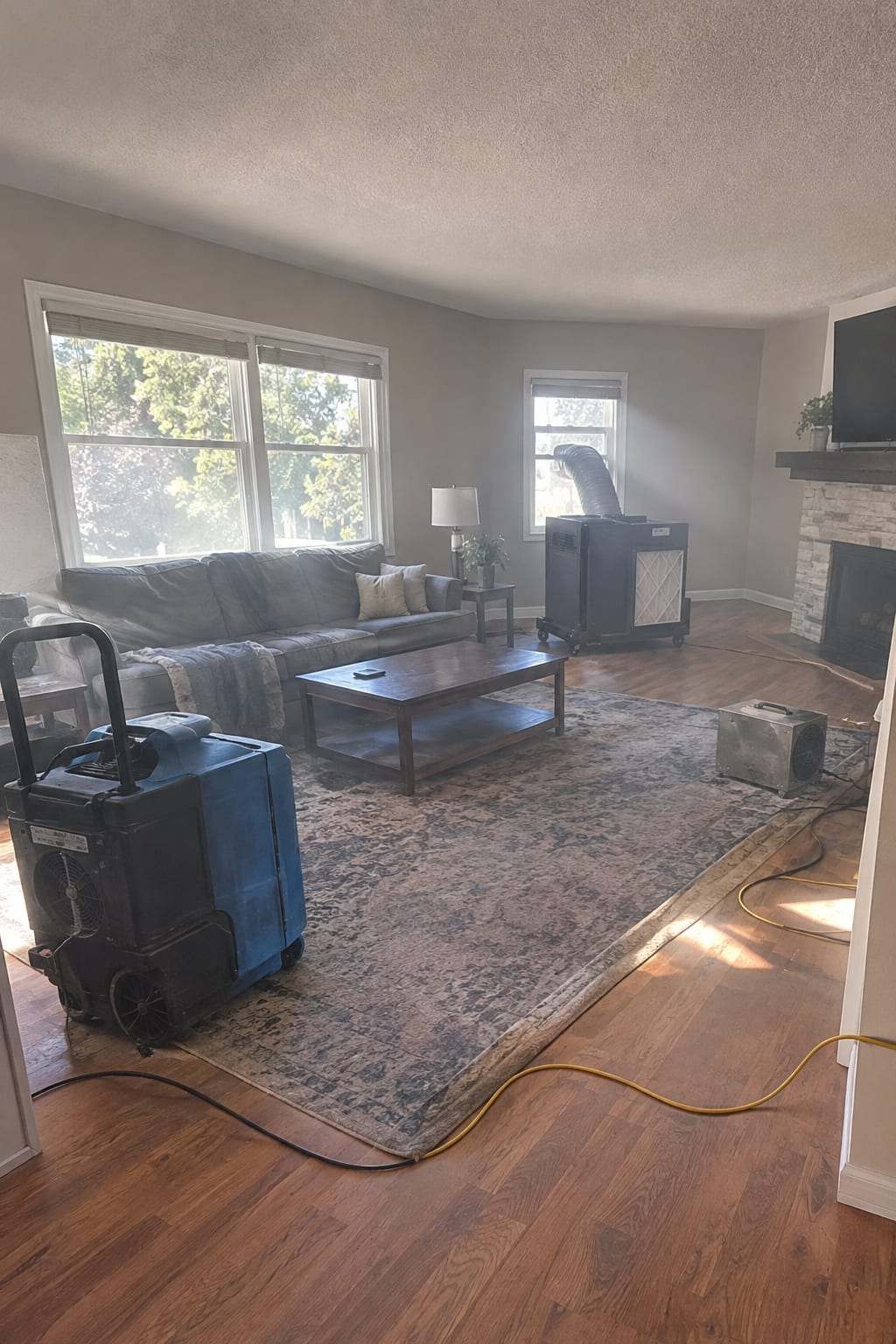
The cloth test
Wipe a ceiling corner with a damp white cloth. The color of the smear shows how far the film spread.
Open windows, a new filter and fresh paint all miss it. The odor sits in residue on your surfaces, and residue has to come off.
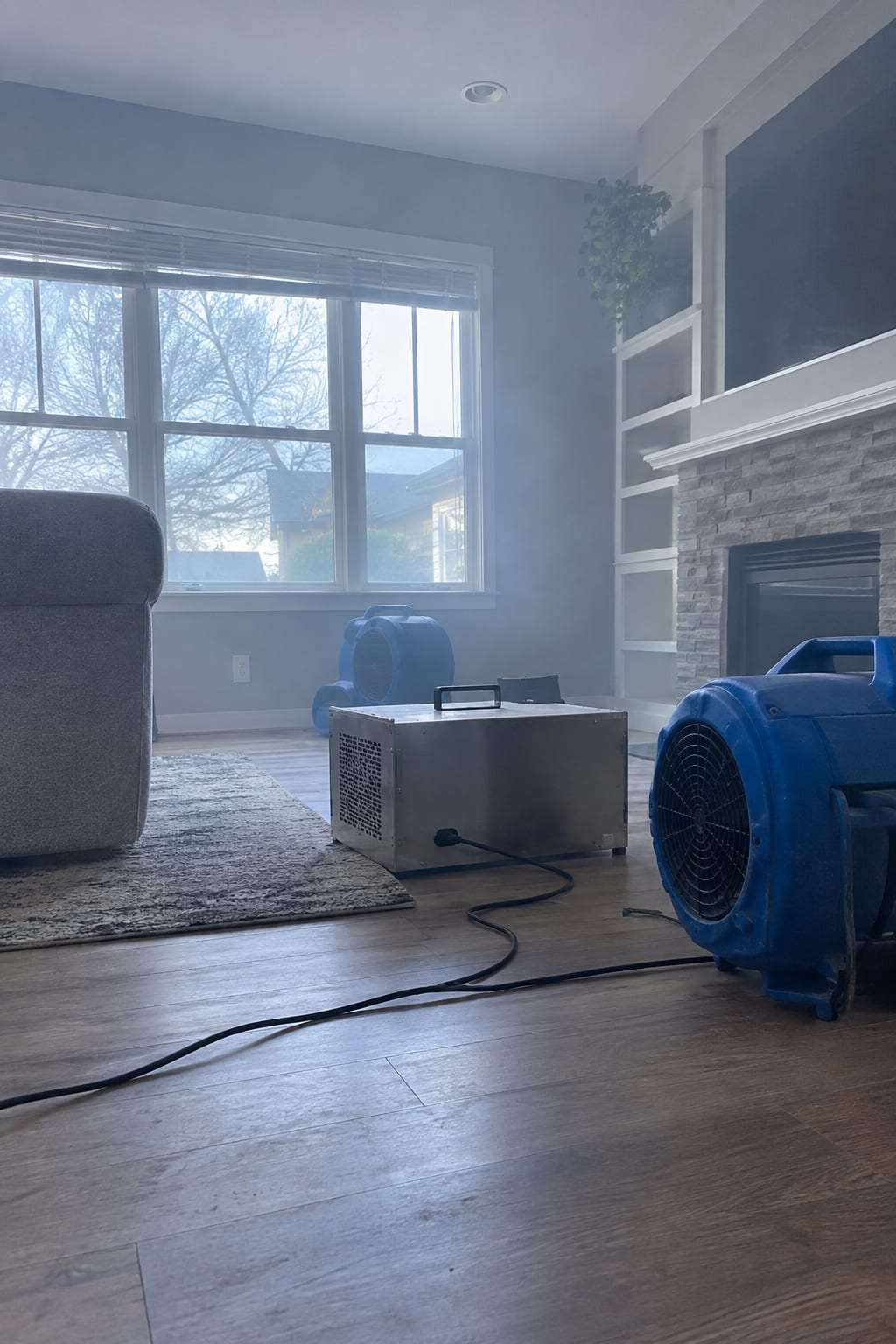
Rooms like this one can look spotless and still smell. The film shows up on a cloth before it shows up to the eye.
Every cigarette leaves a little tar and nicotine behind. Years of them build a sticky film on ceilings, upper walls, cabinet interiors, blinds, carpet pad, upholstery and the inside of the ductwork. That film keeps releasing odor long after the ashtrays leave, and on white trim you can often see it as a yellow cast.
Air treatments alone can't reach it. To remove the smell, you clean or seal the surfaces that hold the film, then run a whole-space treatment that gets into the air system. Fragrance covers the odor until the fragrance fades.
A treatment that skips any one of these leaves the smell a way back in.
Every time the blower runs it pulls smoky air through the returns and filter, and film builds up inside the ducts and around the air handler. Leave the system out and a treated home can smell again on the first cold night.
Painted walls and ceilings hold most of the residue, and ceilings hold the most because warm smoke rises. Lacquered cabinets, wallpaper, natural stone and old plaster each need a gentler approach than flat paint.
Fabric holds odor longest. A good assessment sorts what can be treated in place from what should go out for cleaning or be replaced, and you make that call with the costs in front of you.
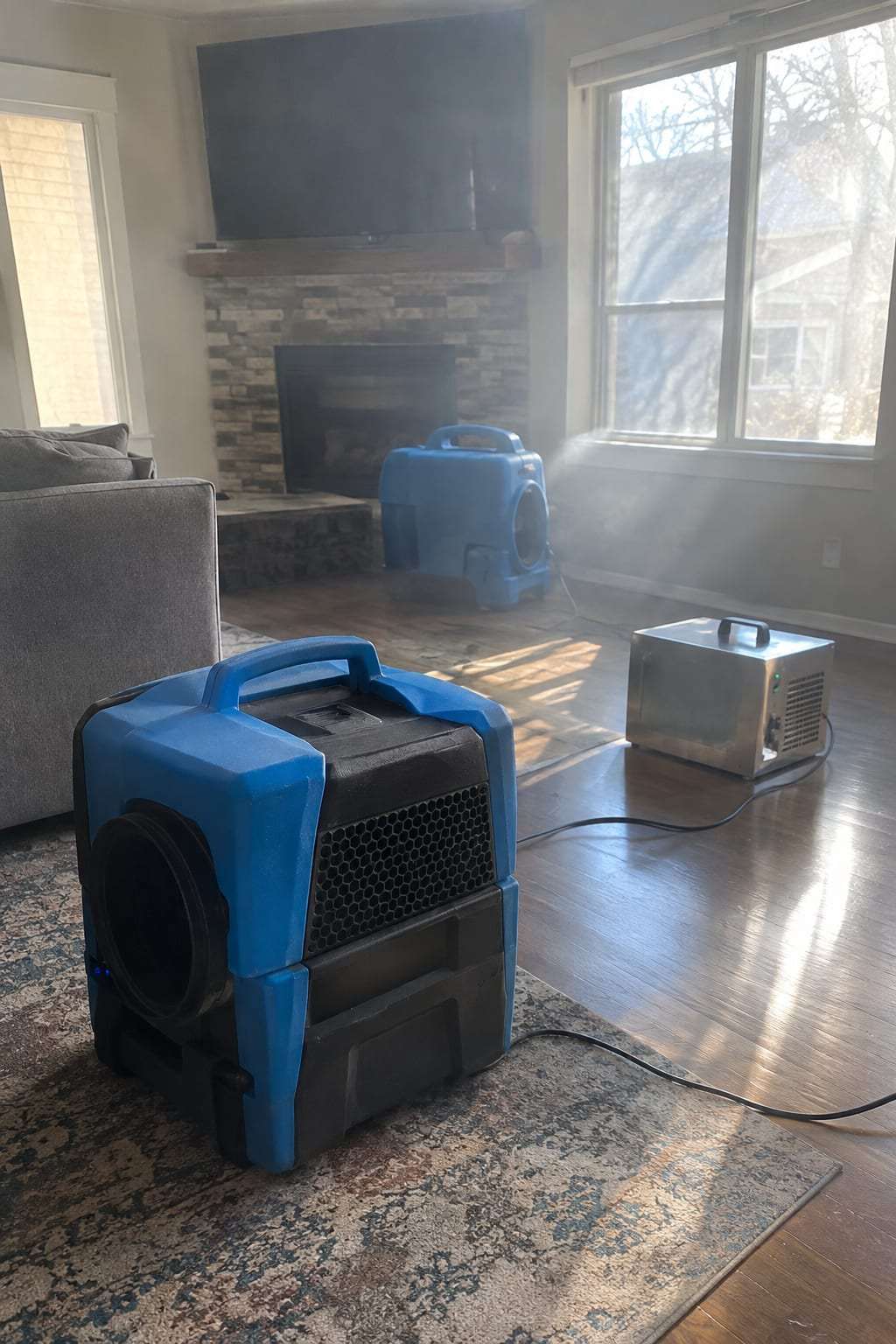
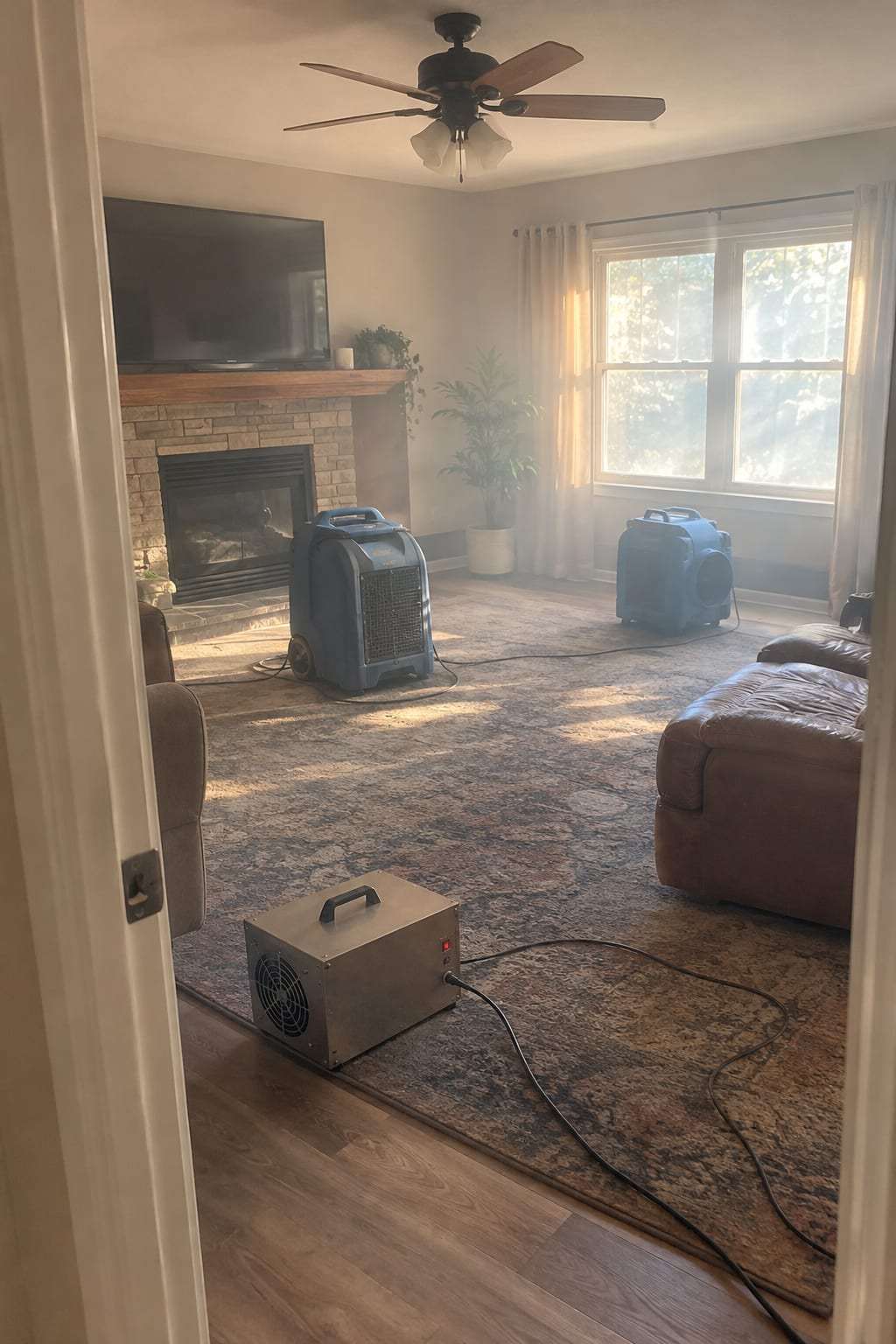
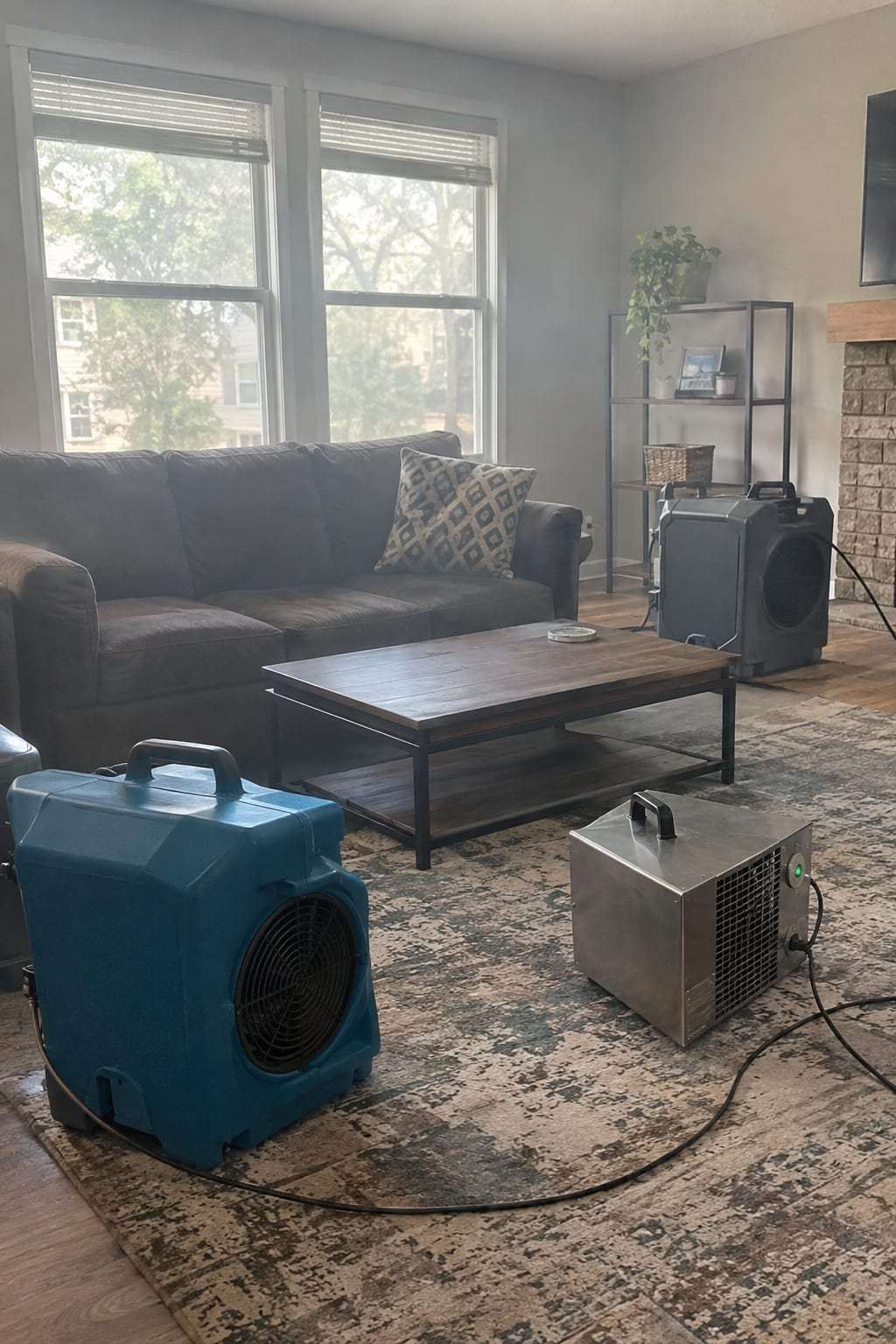
Surfaces, fabrics and the air system belong in one plan. Treat one and skip the others, and the smell finds its way back.
Pin down where people smoked and where the film settled. Those two lists often differ.
Walls, ceilings, carpet and pad, fabrics, cabinetry and the HVAC system each need their own call.
You should see what gets cleaned, what gets sealed, what gets replaced, and whether primer goes on before paint.
Affected surfaces get cleaned first. A whole-space vapor treatment follows and runs through the air system.
Close the place up, run the furnace, and check again. Paint and new flooring go in only after it passes.
Before work starts, ask whether anyone plans to run an ozone machine or use bleach in your unit. Both can damage finishes, and neither lifts the residue.
Condos, townhomes and older single-family houses here change hands often, and smoke odor is one of the problems new owners find after closing, once the place sits shut. In multi-unit buildings, smoke also moves between units through shared walls, plumbing chases and ventilation.
Treatment handles the residue inside your own walls. Smoke still arriving from a neighbor is a building matter for your HOA, so pair treatment with sealing the gaps around outlets, pipes and baseboards.
Condos add logistics: elevator reservations, rules on contractor hours, and sometimes an association that has to approve the work. If a treatment needs the unit empty, book it with building management and get the re-entry time in writing.
If smoke may be coming from a neighbor, say so at the start. Treating your unit removes the residue already there. It can't stop new smoke arriving through shared walls or ventilation.
ZIP codes served: 80206 (Denver), 80209 (Denver), 80218 (Denver), 80246 (Denver), 80203 (Denver).
Also nearby: 80220, 80210, 80224, 80205, 80223, 80230, 80222, 80202, 80207, 80204, 80247, 80231, 80219, 80216.
It smelled fine at the showing with the windows open. A week after closing, with the unit shut and the heat on, you can smell it in the carpet, the cabinets and the vents.
Decades of indoor smoking, a listing date already on the calendar, and a family deciding what to clean, what to seal and what to pull out.
A neighbor smokes, and it reaches your unit through outlets, plumbing chases or shared ventilation. You can treat the residue in your own space. The drift belongs to the building.
This site is a draft preview. No phone line or request form is connected yet.
Guides and checklists on finishes, air systems, condo drift and what a careful assessment looks at.
These guides take one stubborn question at a time: why a closed-up condo smells worse than it did at the showing, what pipe tobacco does to walnut paneling, whether old plaster can be saved, and when ozone is a bad idea.
Use these checklists when you need to act rather than read.
A radiator-heated 1910s house in Country Club and a mid-rise condo in Cherry Creek North hold smoke residue in very different places.
They look at where people smoked and how far the film spread: tint on ceilings and walls, odor in fabrics and carpet, and whether the air system carries the smell from room to room. Those findings set the treatment plan.
Not by itself. Nicotine film bleeds through ordinary paint. Clean the surfaces first, then seal them with an odor-blocking primer before the finish coat.
If the smell gets stronger when the blower runs, residue is sitting in the ducts or the equipment. A whole-space treatment can include the system, and heavy cases may also call for duct cleaning.
Ask before any work starts. Ozone can damage rubber and some finishes, and it doesn't lift residue. Bleach and synthetic fragrance leave the source in place too.
Often, yes. Carpet can be treated, though badly soaked carpet and pad can cost less to replace than to clean. Ask for a recommendation after the assessment.
Whole-space treatments can require you to stay away for a stretch. Ask how long before you book, so you can plan around it.
It shouldn't, but ask. Bio-enzymatic neutralizers and whole-space vapor treatments are common. Ozone, bleach and synthetic fragrance carry more risk to finishes. Point out delicate surfaces during the assessment, and settle anything that needs a specialist before work starts.
This form is not connected. This website is a draft preview: no business has been confirmed to receive requests, so the fields below are switched off and nothing can be sent. In an emergency, call 911.
Change the furnace filter, hold off on paint, and tell your HOA if smoke is drifting in from a neighbor. When you hire, choose someone you've checked out yourself who plans to clean and seal the surfaces holding the residue.
Why the smell returns when the heat comes on